
Water Quality and Health
Why the Invisible Makes the Difference
Our body is like a highly complex inner ocean. With a water content of well over 70 percent, it is no exaggeration to say: we are what we drink. Water is the engine of our metabolism, the universal transport medium for nutrients, and the basis of our cellular cleansing.
It is intuitively clear to all of us that visibly contaminated, cloudy, or foul-smelling water poses a danger to our health. Our survival instinct protects us from it. But what does “water quality” really mean in our modern world? Today, it is no longer just about acute dangers, but about what we cannot see.
The Deceptive Nature of Invisible Dangers
We humans are evolutionarily exceptionally well trained at recognizing and avoiding immediate threats. If something is burning, we pull our hand back. If food smells spoiled, we don’t eat it. We respond to direct stimuli and immediate consequences.
The situation is different, however, with things whose effects build up only over years or decades.
A classic example of this is how we deal with everyday habits: no one drops dead immediately after drinking a highly sugary soft drink or smoking a single cigarette. Because there is no direct, visible consequence, our brain classifies the action as “safe” in the moment. The actual health effects, such as chronic inflammation or metabolic diseases, only become apparent much later.
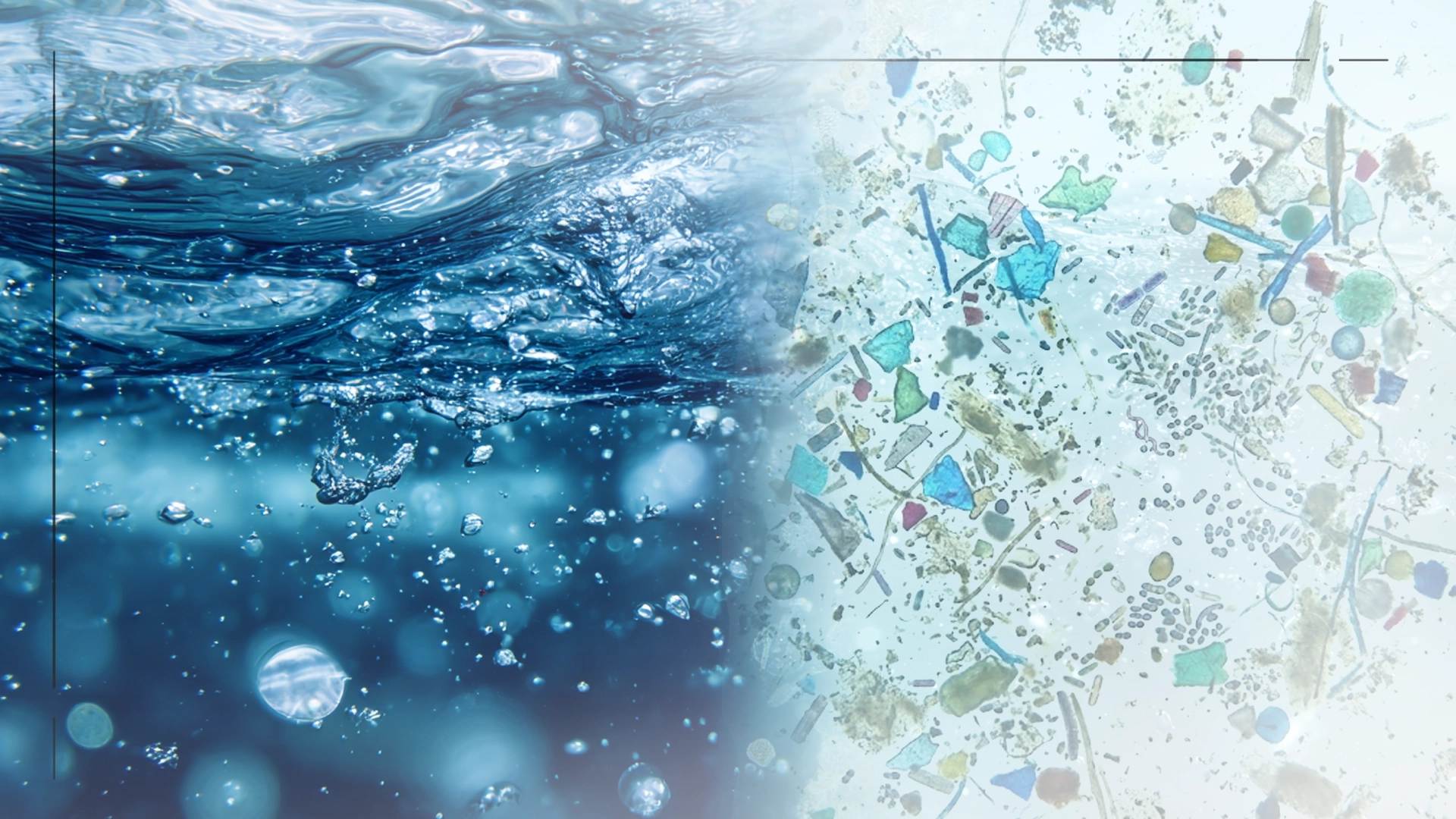
Exactly this psychological phenomenon can be seamlessly applied to our modern drinking water. We turn on the tap, the water is clear, it smells neutral, and we do not get sick after drinking it. Consequently, we mentally file the topic of “water quality” away. Yet under the microscope, a different reality is revealed.
What Is Swimming Under the Radar?
Water utilities and treatment plants around the world do a great job. We do not want to dispute that at all. They reliably protect us from pathogenic germs, bacteria, and acute poisoning that once threatened entire populations in the past.
The problem of our time, however, is a different one: it is the creeping, long-term exposure to microscopic pollutants. In our industrialized world, countless synthetic substances enter the water cycle every day, and even modern wastewater treatment plants often cannot filter them out completely. These include, among others:
- Drug residues: From painkillers and antidepressants to hormonal contraceptives.
- Industrial chemicals (PFAS): So-called “forever chemicals” that hardly break down in the environment and accumulate in tissues over the years.
- Microplastics and plasticizers: Invisible particles that can be detected in almost all global water cycles.
- Heavy metals: Often a problem of the “last mile,” when water flows from the waterworks through outdated household pipes and picks up substances there.
The Cocktail Effect and Our Cells
Official authorities test water for a specific list of parameters and set limit values for them. For the individual substance, this limit may be safe. Our body, however, is not a test tube in which substances act in isolation from one another.
Every day, over decades, we drink an extremely diluted “cocktail” of a wide variety of substances. When our primary detoxification organs, the liver and kidneys, are continuously occupied with filtering these tiny amounts of foreign substances out of our most important food, it costs the body valuable energy. Energy that it then lacks elsewhere for cell repair, immune defense, and overall vitality. It is not a sudden collapse, but a gradual strain on our biological system.
A Outlook: More Than Just H₂O
True water quality therefore means more than just the absence of acute pathogens. It is about the absolute purity of the element that keeps us alive.
And anyone who goes one step further will realize that it is not only about the material composition of the water. Even chemically 100% pure water can be biologically inert if it has been forced through kilometers of pipes and has lost its natural form of movement. Here we enter the fascinating field of water structure and biophysics, an exciting topic that we will devote ourselves to in a future article.
For the moment, however, the goal is to raise awareness: we must not fear water, but we should once again treat it with the respect and scrutiny that our health deserves.